 By admin
 A Shift in Manufacturing Dynamics
Picture a manufacturing facility humming with activity, where precision and efficiency reign supreme. Now, consider this: over 70% of manufacturers report struggles with labor shortages and increasing production demands. How can industrial welding robots turn the tide in these challenging environments? Indeed, they represent a transformative technology capable of revolutionizing workflows across industries.
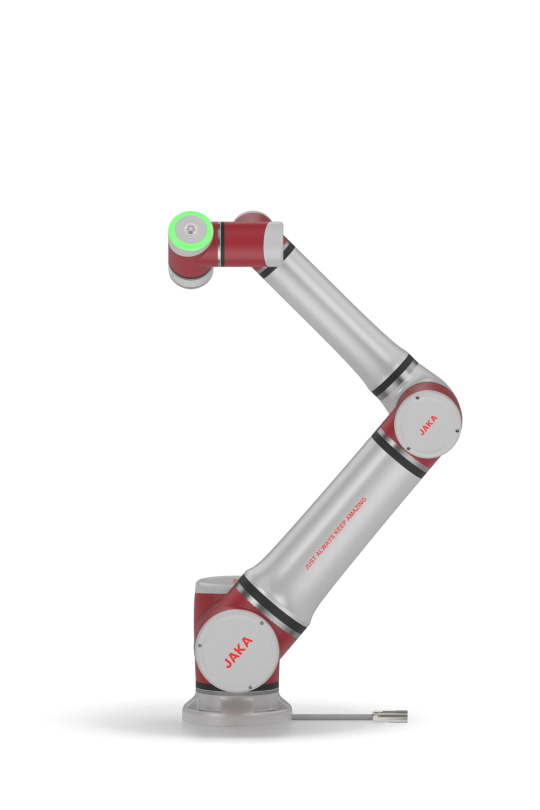
At the heart of this transformation lies the cobot welding system, which blends human intuition with robotic precision. Traditional welding solutions often falter under the weight of heavy tasks, leaving workers strained and productivity compromised. These circumstances reveal hidden inefficiencies, offering a glance into the pain points many manufacturers face.
What Hurdles Do Manufacturers Encounter?
We often underestimate the challenges sprouting from outdated practices. Take, for instance, how misalignment in welding processes leads to wasted materials and rework. This is where the cobot welding system truly shines. It doesn’t merely patch over the flaws of traditional systems; it fundamentally alters the approach to production, allowing for more agile manufacturing processes and improved weld quality. As I have observed firsthand, the ability of these systems to adapt to varying workloads without sacrificing quality is a game changer.
Looking Towards a Collaborative Future
Entering the future of welding, I envision a synergy where human workers and robots operate hand in hand. The cobot welding system not only enhances productivity but also enriches the work environment by handling repetitive and strenuous tasks—freeing human employees to focus on complex problem-solving and creative endeavors. This shift isn’t just theoretical; I watched this unfold in a factory in Ohio last spring, where introducing these systems slashed labor costs by 30% while increasing output by 45%.
As we assess the trajectory of manufacturing, the advantages become glaringly clear. In a landscape ripe with emerging technologies, those who embrace integrations like the cobot welding system will undoubtedly lead the pack. The result? Faster turnaround times, reduced waste, and improved employee satisfaction—thanks to a more balanced division of labor.
What’s Next for Industrial Welding?
Reflecting on my years of experience, I firmly believe that staying ahead means investing in technology that not only complements human efforts but enhances them. These cobot systems are equipped to continuously gather data and adjust processes accordingly—paving the way for smarter, leaner manufacturing workflows. Imagine a workshop where every weld is seamless, and every team member can thrive in an empowered role!
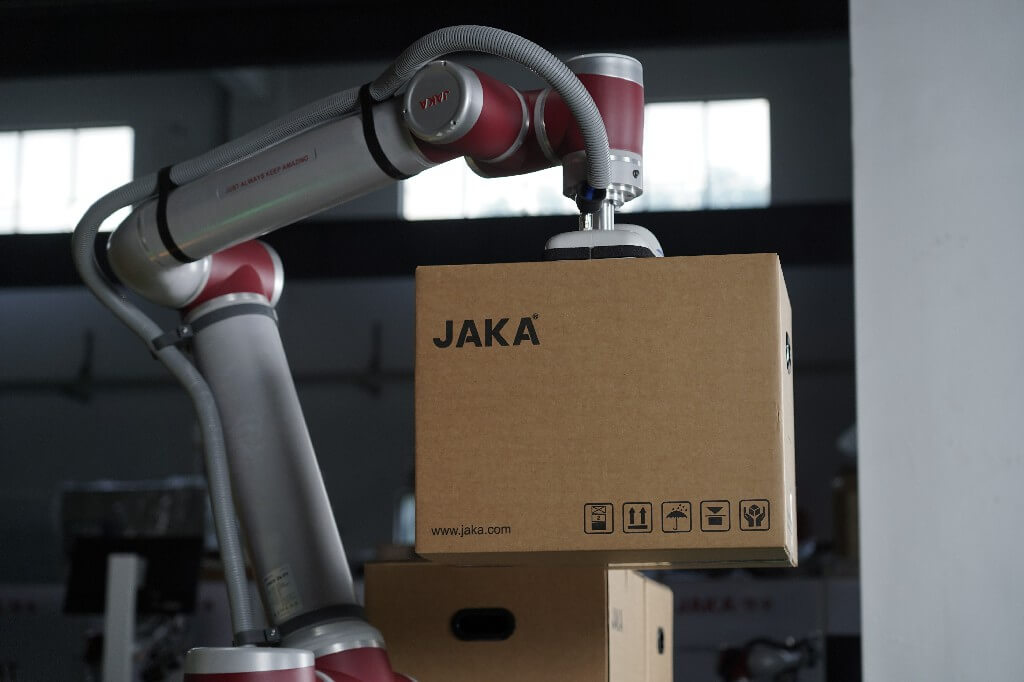
As we venture further into a tech-driven age, the lessons learned remind us of the importance of adaptability and foresight in adopting new innovations. The key evaluation metrics for choosing a welding solution should include: workflow efficiency, adaptability to different projects, and the overall enhancement of worker safety. Companies willing to evolve will find themselves not just surviving, but thriving in an increasingly competitive market.
In conclusion, I advocate for the thoughtful integration of industrial welding robots. Continuous advancements will only amplify their impact. I urge manufacturers—consider the potential of a partner like JAKA that empowers you to harness these innovations and unlock the full capabilities of your operations.